
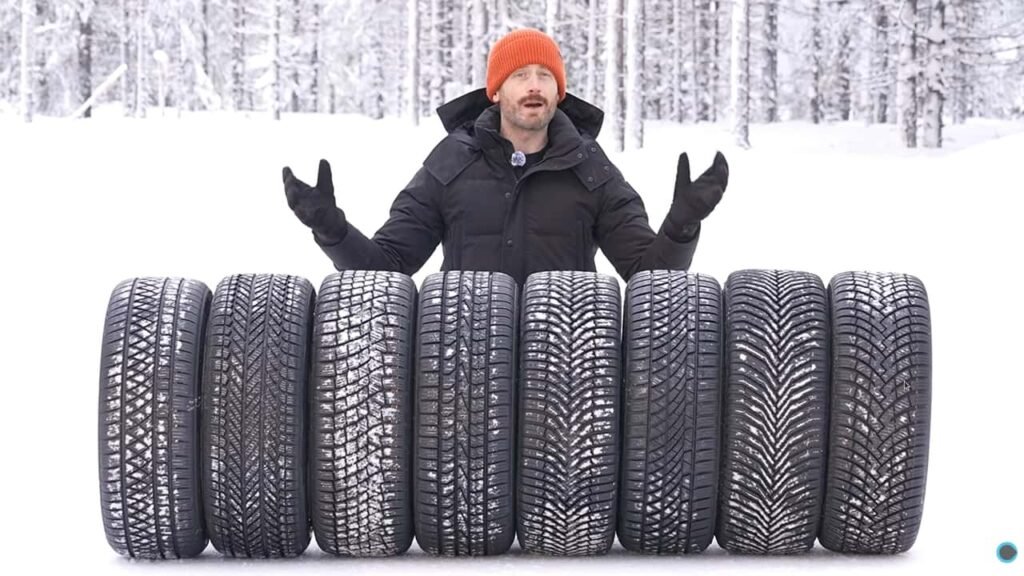
The all-weather tire category continues to see intense competition, with premium manufacturers tailoring their compounds and tread patterns to satisfy varying seasonal demands. Two prominent offerings in this space—the Michelin CrossClimate 2 AW and the Continental SecureContact AW—demonstrate how modern tire design forces specific performance trade-offs for different types of motorists.
Crucial Performance Metrics
Rather than providing identical all-around capabilities, these two all-weather options diverge across critical operational criteria. Motorists evaluating the options will find distinct characteristics in several key disciplines:
- Snow Performance: Capability on winter surfaces remains one of the defining boundaries separating the CrossClimate 2 AW and SecureContact AW.
- Wet Braking: Stopping distances and grip on water-slicked pavement present another clear line of distinction between the two designs.
- Rolling Resistance: Energy efficiency and rolling drag play an equally decisive role, impacting overall fuel consumption and vehicle efficiency.
Matching Tires to Driving Priorities
Because the Michelin CrossClimate 2 AW and Continental SecureContact AW separate primarily across snow capability, wet-weather stopping power, and rolling resistance, selecting the appropriate tire depends heavily on individual operating environments. Drivers faced with heavier winter conditions must weigh winter traction differently than commuters who regularly encounter rain-soaked highways or prioritize fuel efficiency.
Ultimately, these performance splits turn the choice between the Michelin and Continental models into a matter of aligning specific design advantages with real-world driving conditions.