
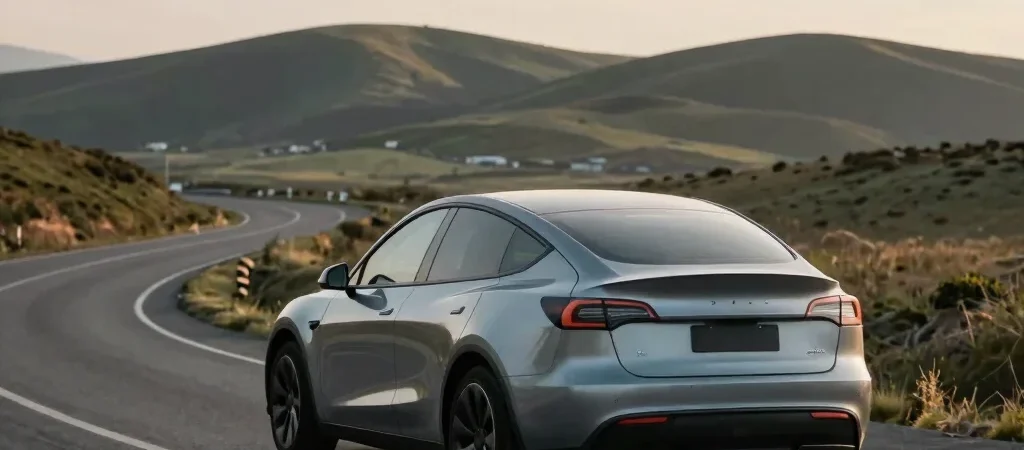
Lift off the accelerator in some electric cars and the vehicle slows noticeably, even before you touch the brake pedal. That deceleration is often regenerative braking: the electric motor helps slow the wheels and sends some of that energy back to the battery. It changes how a car responds in traffic, though exactly how much it slows varies by vehicle and setting.
How the energy returns
When a motor is driving a car, it uses electrical energy to turn the wheels. During regenerative braking, the process runs in reverse: the moving wheels turn the motor, which acts as a generator and returns some energy to the battery. The system cannot recover all the energy used to get the car moving, but it can reduce how much is lost as heat during certain kinds of slowing.
Regeneration is most noticeable in stop-and-go driving, where the car repeatedly slows and accelerates. On a steady highway, there may be fewer chances to recover energy because the driver is braking less often. Cold batteries, a full battery, road conditions, and vehicle settings can also affect how strongly the system slows the car.
Learn the car’s response
Some vehicles let drivers select stronger or weaker regenerative braking, while others manage it automatically. A strong setting can make one-pedal driving possible in certain situations, but it does not remove the need to use the brake pedal when traffic or an emergency calls for it. Give yourself time to learn the response in a familiar, low-traffic area.
Regenerative braking also doesn’t mean the conventional brakes can be forgotten. Electric and hybrid vehicles still have friction brakes, and those components need inspection according to the maintenance schedule. The practical takeaway is simple: expect a different lift-off feel, leave room to slow down, and learn which braking modes your specific car provides.